PixelPals Haven
Opening the next view…
Preparing the page without changing your saved work.
 Gear intelligence for complete setups
PixelPals Haven
Preparing the page without changing your saved work.
Pedal buying and setup guide
A pressure-sensitive brake rewards repeatable force only when the pedals, seat and calibration stay fixed under load.
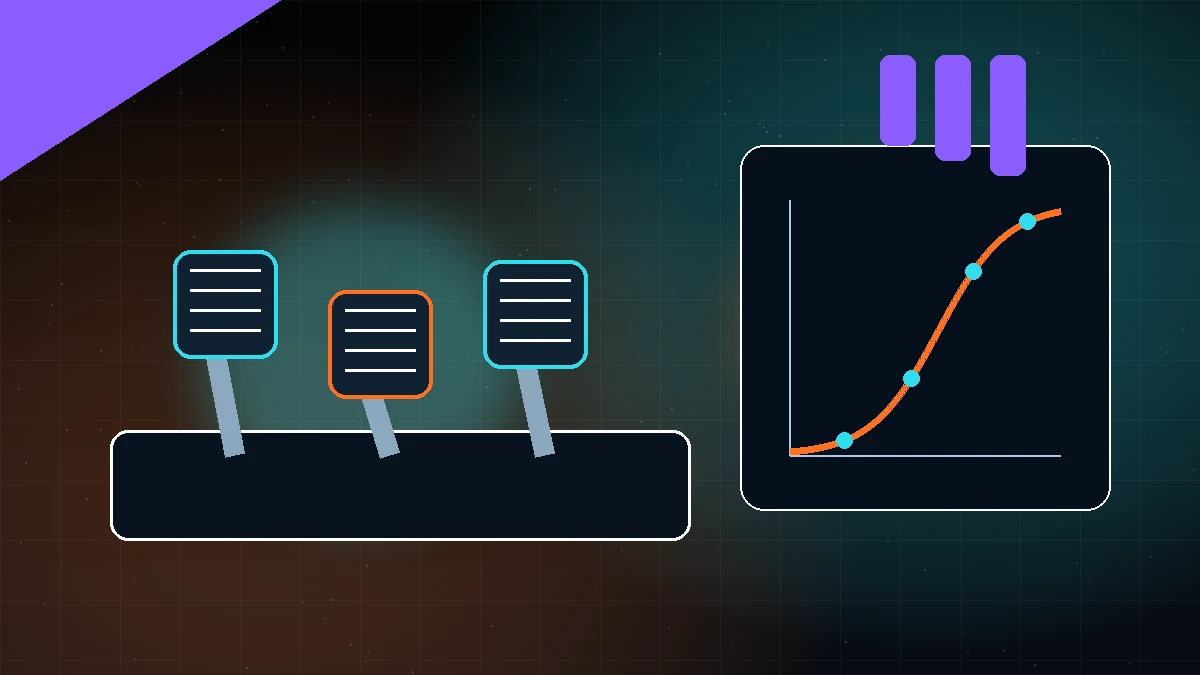
A load-cell brake maps applied force to brake output. Mechanical springs, elastomers or dampers still determine the pedal's travel and resistance, so two load-cell pedals can feel very different even when both measure pressure.
A stiff brake can slide a pedal set, flex a deck or push a rolling chair backward. Secure the pedals and seat before raising resistance. The driver should be able to reach full intended output without bracing on the steering wheel.
Many pedal tools allow the force that produces 100 percent brake output to be adjusted. Start lower than the maximum hardware capability, drive several sessions and increase only when the current setting can be reached repeatedly without posture changes or pain.
Set pedal spacing, face angle, travel and resistance first. Then calibrate the minimum and maximum signal. Use deadzones only to eliminate sensor noise or accidental contact, and avoid aggressive curves until the mechanical setup is stable.
Pedals may connect to a compatible wheelbase, directly to the PC by USB or both as separate options. Console systems often require the pedals to pass through the licensed wheelbase. Follow the manual and never assume simultaneous USB and wheelbase connections are allowed.
Changing elastomers, preload, pedal position, firmware or connection method can alter the input range. Verify idle, full input and the point where 100 percent is reached after every meaningful change.
Published .